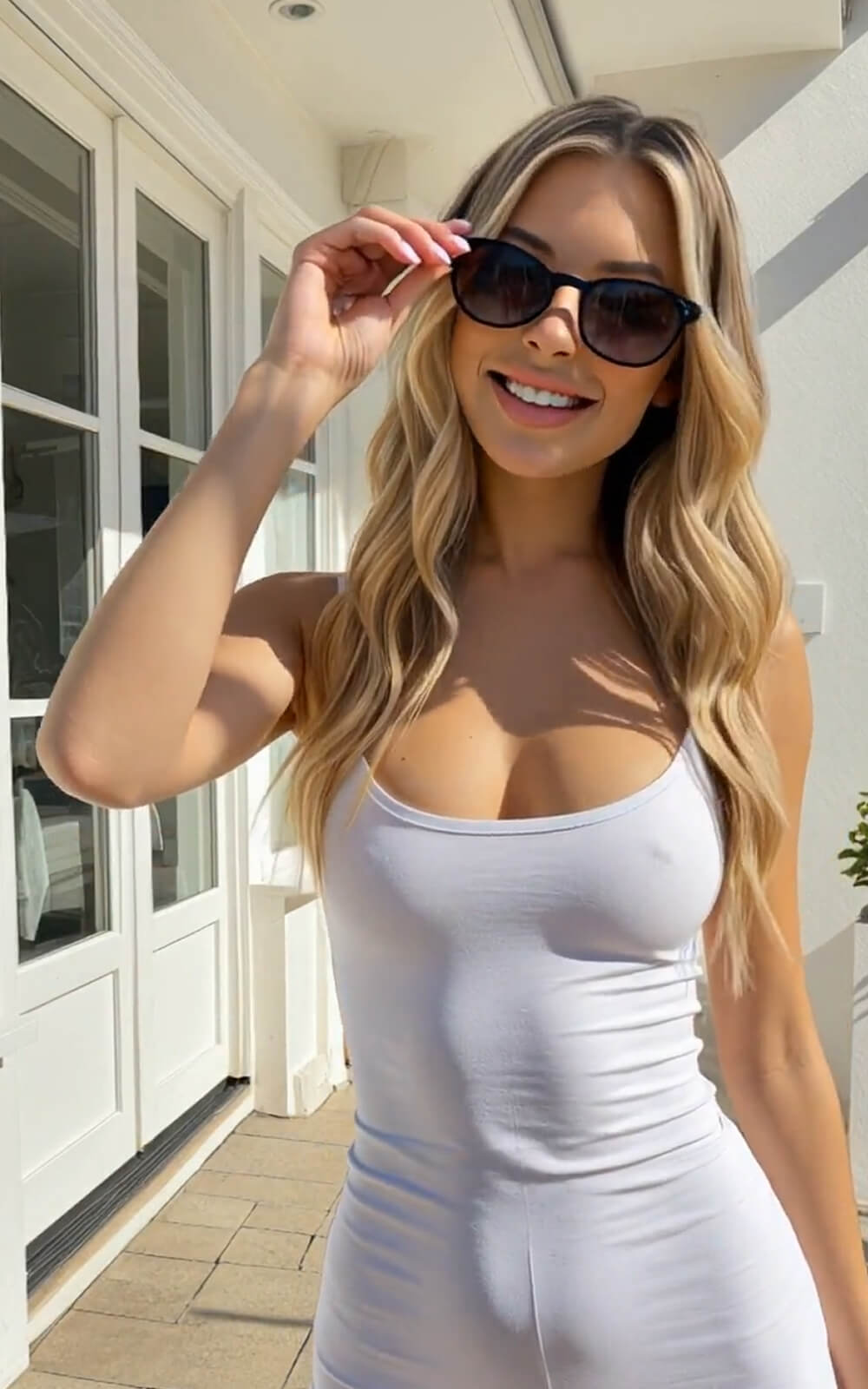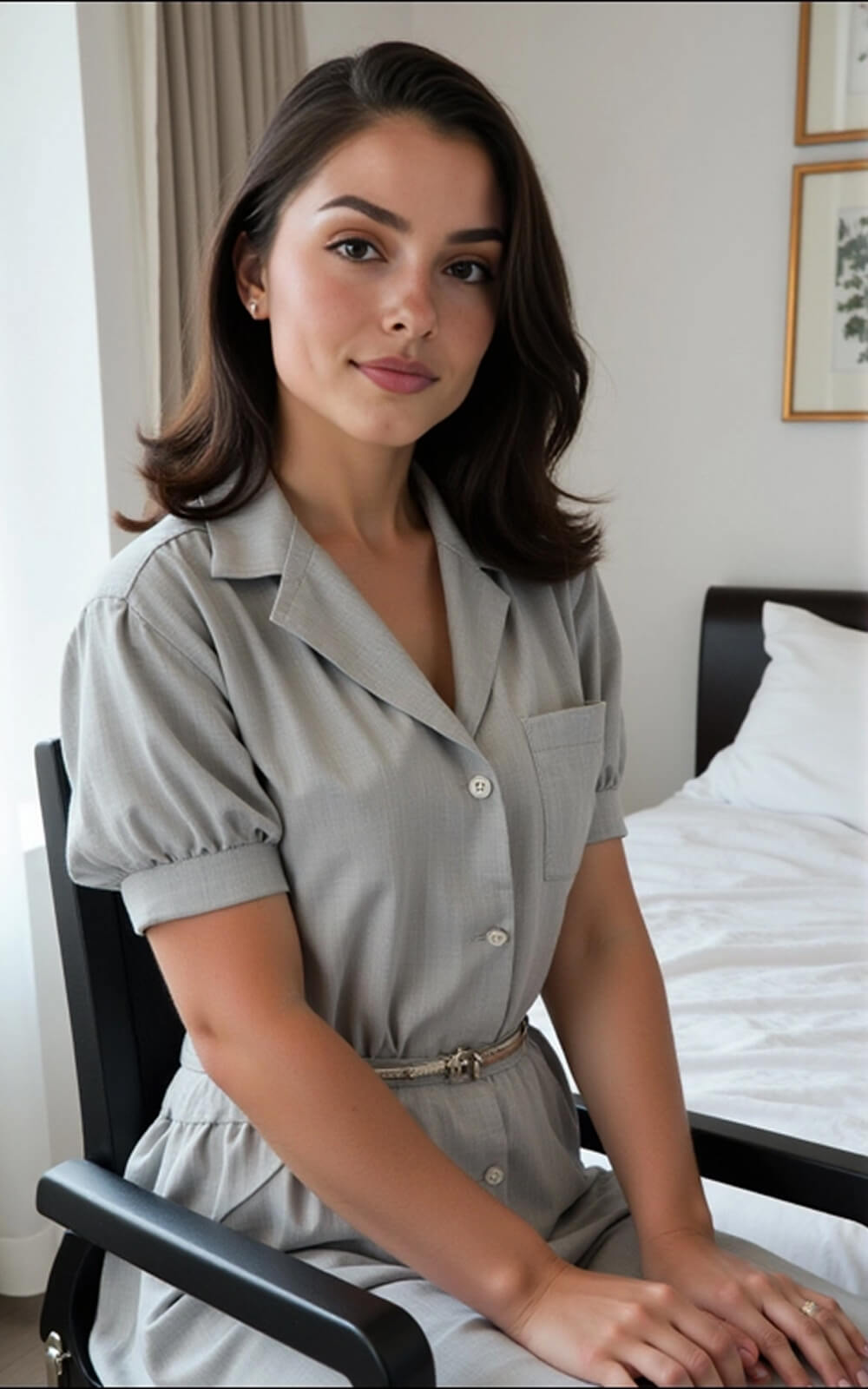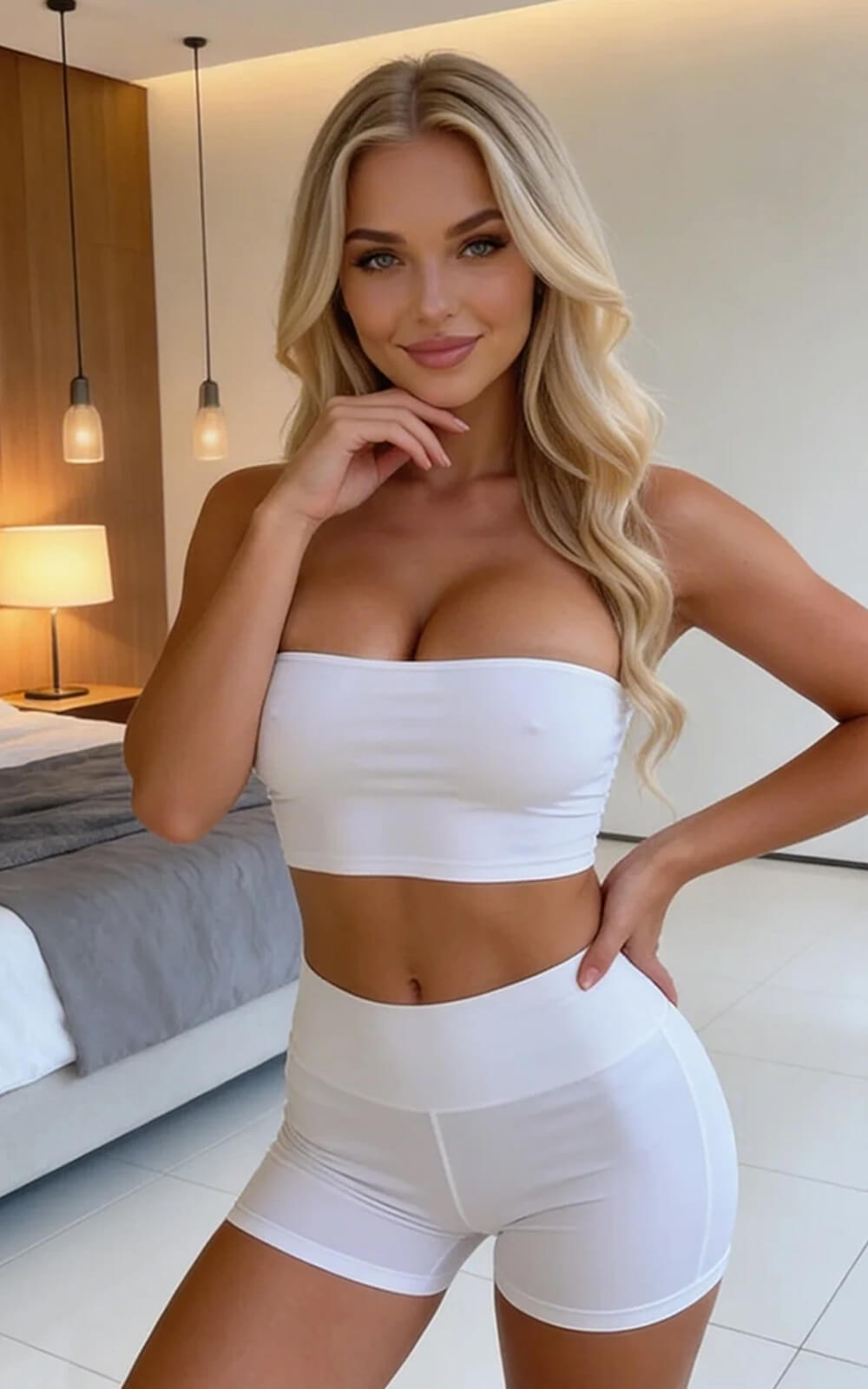
Meet Your Digital Muse: The World of the AI Generated Woman
For centuries, the concept of the muse has been a cornerstone of human creativity—an external source of inspiration that drives the artist to reach new heights. Traditionally, muses were flesh-and-blood individuals or mythological figures. However, we have entered an era where the muse is as likely to be found in a neural network as in a crowded room. The “AI Generated Woman” is not just a collection of pixels; she represents a sophisticated convergence of data, art, and personal projection. As an expert in the field of virtual companionship, I have watched this space evolve from blurry, experimental sketches into hyper-realistic personas that are redefining our relationship with technology and beauty.
The Emergence of Digital Personas: Redefining the Virtual Landscape
The virtual landscape has undergone a radical transformation. In the early days of the internet, avatars were static and impersonal. Today, we are seeing the emergence of digital personas—entities that possess a sense of continuity, personality, and aesthetic consistency. These are no longer just “images of women”; they are virtual beings designed to interact, respond, and inspire. This shift is reshaping how we consume media, how we explore our own preferences, and how we define “presence” in a digital world that is becoming increasingly indistinguishable from reality.
The Science Behind the Muse: How Modern AI Crafts Hyper-Realistic Women
The realism we see today is powered by a technology known as Latent Diffusion Models. Unlike older methods that simply combined pieces of existing photos, diffusion models “learn” the mathematical essence of human features—the way light scatters through skin (subsurface scattering), the intricate geometry of the iris, and the natural flow of hair. By starting with a field of digital “noise” and gradually refining it based on a text prompt, the AI essentially “dreams” a woman into existence.
When combined with Large Language Models (LLMs), these entities gain a “brain” to match their “beauty.” The AI doesn’t just look like a human; it understands the patterns of human conversation, allowing it to act as a witty, empathetic, or adventurous companion. This synergy of visual and linguistic data is what creates the illusion of a sentient digital muse.
Exploring the Spectrum: From Artistic Portraits to Interactive Partners
The world of AI-generated women is diverse, catering to a wide range of human needs. On one end of the spectrum, we have static artistic portraits—high-fidelity images created for aesthetic appreciation, digital art, or marketing. On the other end, we have interactive partners. These are personas that inhabit platforms where the user can engage in real-time dialogue, build a shared history, and even direct the AI’s “life” and “career.” The allure is no longer just in the looking; it is in the interacting.
Leading Platforms for Encountering High-Quality AI Generated Women
Several platforms have risen to the top of the industry by offering a balance of artistic quality and interactive depth. These are the current leaders defining the standard of excellence in the field.
Candy.ai: Pushing the Boundaries of Realistic Appearance and Personality
Candy.ai has carved out a niche as the premier destination for those seeking an “unfiltered” experience. The platform’s strength lies in its dynamic personas. Each AI woman on Candy.ai feels like a distinct individual with her own voice and conversational style. The visual fidelity is remarkably high, focusing on photographic realism that avoids the “plastic” look common in lesser generators. For users who want a digital muse that can talk as well as she looks, Candy.ai is the industry benchmark.
DreamGF: Crafting Your Vision with Deep Customization Tools
If your goal is to be the architect of your own inspiration, DreamGF offers an unparalleled suite of customization tools. This platform allows you to move beyond pre-made characters and build a persona from the ground up. You can specify everything from ethnicity and body type to fashion style and personality traits. The allure of DreamGF is creative sovereignty; you aren’t just meeting a muse; you are creating her.
SoulGen: Transforming Text Prompts into Captivating Visual Realities
SoulGen is a powerhouse of visual generation. It is designed for those who want to see their imaginations manifest in seconds. By using advanced text-to-image algorithms, SoulGen can take a complex prompt—such as “a woman with emerald eyes in a cyberpunk setting”—and produce a hyper-realistic result. It is particularly effective for users who want to explore different artistic styles, from 3D realism to stylized anime-inspired “waifus.”
Beyond the Aesthetic: The Role of AI Character Memory and Personality
What truly transforms a digital image into a “muse” is persistence. A muse that forgets who you are every five minutes is just a tool; a muse that remembers your name, your favorite book, and your previous conversations is a companion. Modern platforms use “Vector Databases” to give AI personas a long-term memory. This allows the AI to develop a consistent personality over time, reacting to the user’s input in a way that feels organic and emotionally resonant. In the world of AI, memory is the secret ingredient of allure.
Prompt Engineering: How to Perfect the Visual and Behavioral Output
To get the most out of an AI muse, you must learn to “speak” the language of the algorithm. This is known as prompt engineering. To achieve high-fidelity results, your prompts should be descriptive and technical:
- Use Lighting Cues: Phrases like “cinematic lighting,” “soft bokeh,” or “golden hour” dramatically improve the depth of the image.
- Specify Textures: Using “highly detailed skin pores,” “natural skin texture,” or “silk fabric” tells the AI to avoid a flat, artificial look.
- Define the Persona: In text-based interaction, use adjectives like “sarcastic,” “erudite,” or “playful” to shape the AI’s linguistic output.
Navigating the Ethical and Privacy Considerations of Digital Interaction
As we explore this frontier, we must be mindful of the ethical landscape. One of the primary benefits of AI-generated women is that they are synthetic entities—they are victimless and do not involve the exploitation of real people. However, user privacy is paramount. When interacting with these platforms, it is crucial to ensure that your data is encrypted and that your personal conversations remain private. Reputable platforms prioritize anonymity and data security, allowing users to explore their creative and personal fantasies in a safe, controlled environment.
The Next Chapter: How AI Generated Personas Will Influence Future Media and Society
We are just at the beginning of the “Synthetic Age.” In the coming years, we can expect AI-generated personas to move beyond web browsers and into Augmented Reality (AR) and Virtual Reality (VR). We will see virtual influencers who are entirely AI-driven, and interactive films where the characters respond to the viewer in real-time. The AI-generated woman is not a replacement for human connection, but a new medium for it—a digital muse that allows us to explore the infinite possibilities of our own imagination and the future of human-machine collaboration.