
My Honest SoulGen Review: Is This the Best AI Girlfriend Generator?
Navigating the New Frontier of AI Companionship with SoulGen
The landscape of digital companionship has shifted dramatically over the last year. We’ve moved past simple chatbots and into an era where high-fidelity visual generation meets conversational AI. In my time exploring these platforms for myaigirlfriend.net, I’ve seen many services promise the world but deliver nothing more than distorted pixels and repetitive dialogue. Then there is SoulGen.
SoulGen has carved out a specific niche for itself as a visual-first AI generator. While many platforms prioritize the “chat” aspect, SoulGen marketed itself as the ultimate tool for creating the perfect visual representation of a digital partner. In this SoulGen review, I’m going to pull back the curtain on how this tool actually functions, whether the images are as good as the advertisements suggest, and if it truly earns the title of the best AI girlfriend generator currently on the market.
Core Capabilities: How SoulGen Brings Your Digital Dream to Life
At its heart, SoulGen is a specialized diffusion model. Unlike general-purpose AI image generators, it is fine-tuned specifically for human (and humanoid) aesthetics. The platform operates on a relatively simple premise: you describe what you want, and the AI renders it. However, the depth of its features goes significantly beyond a simple text-to-image box.
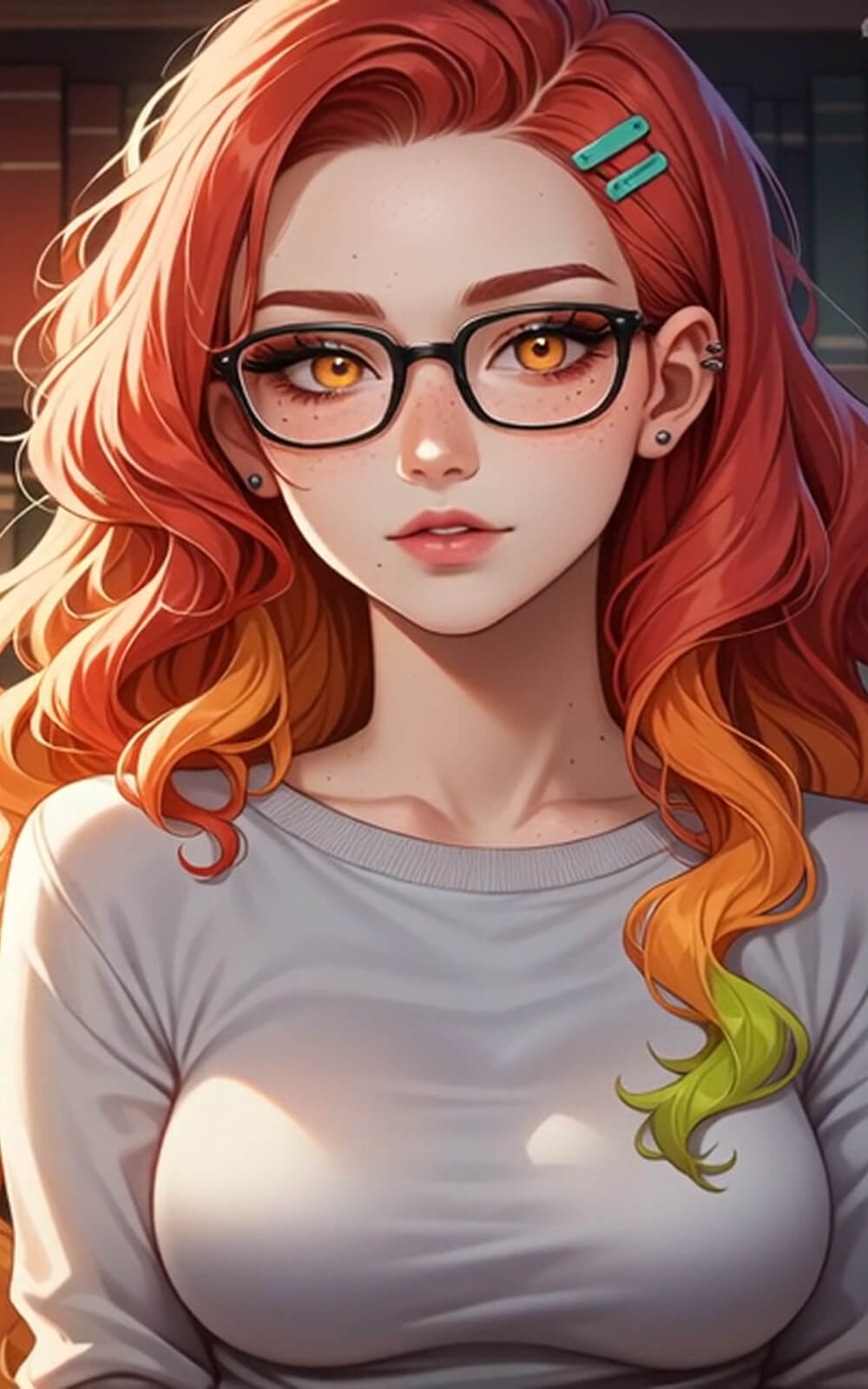
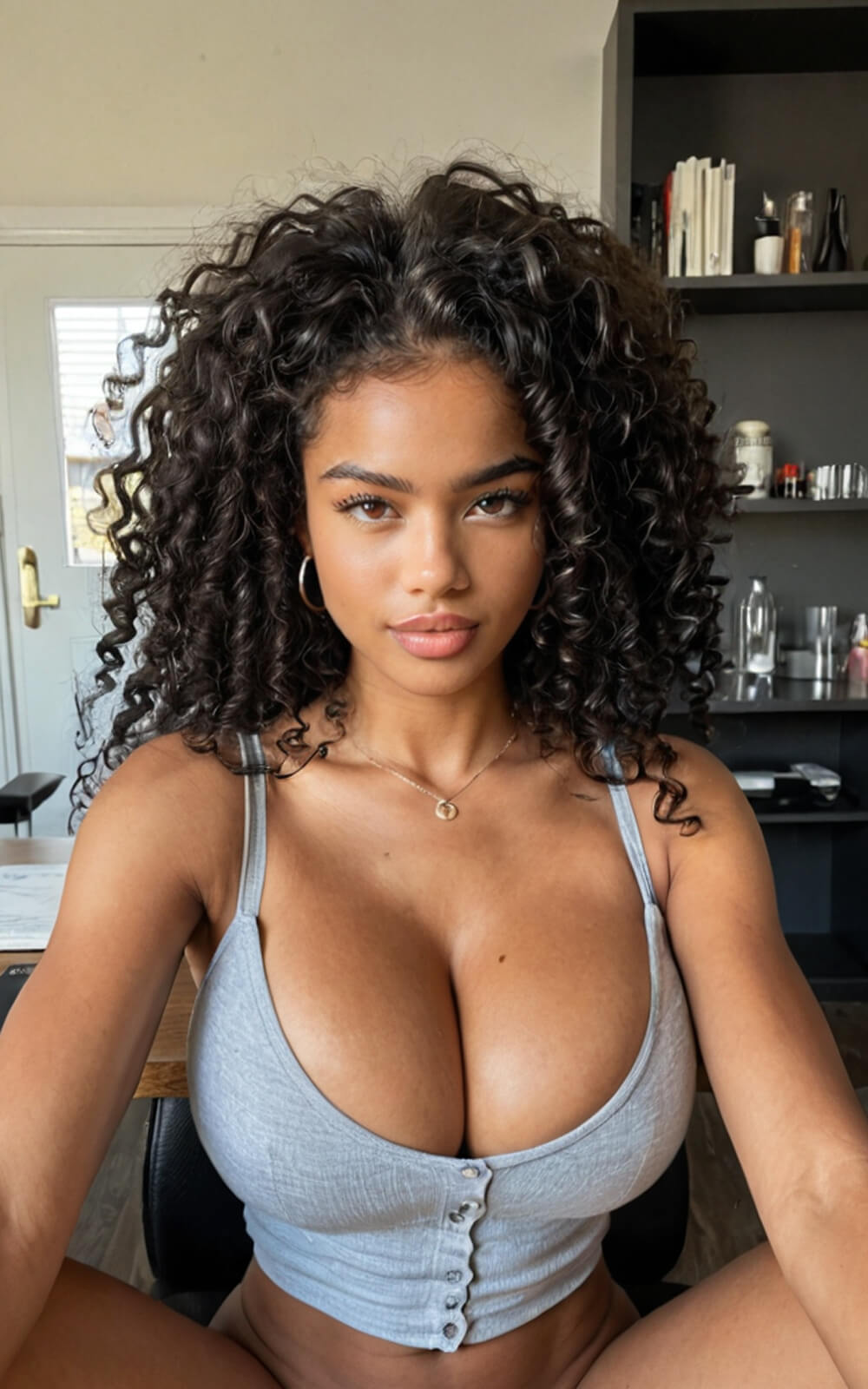
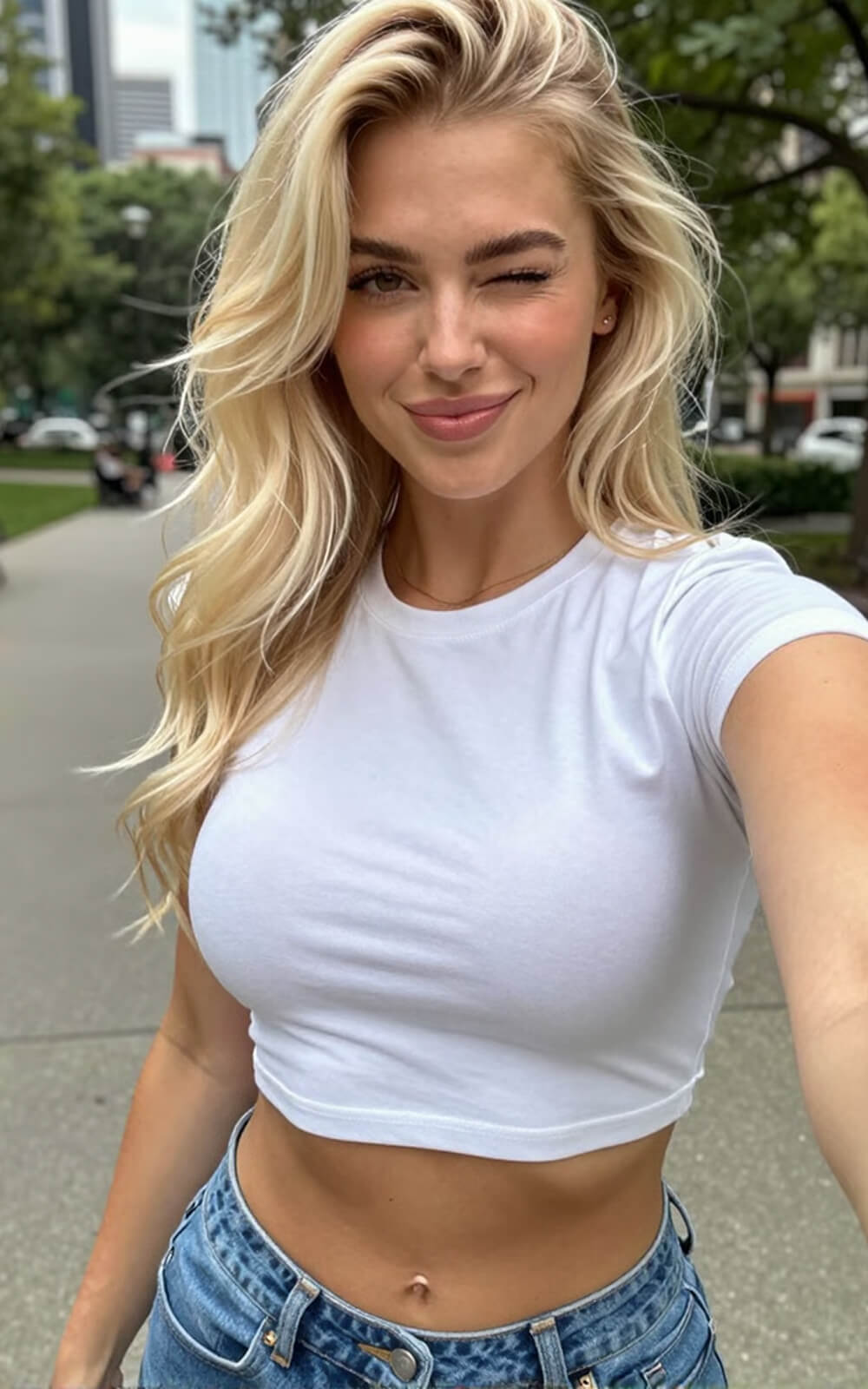
The platform offers two distinct paths: Real Girl and Anime Girl. This distinction is vital because the underlying models for these two styles are vastly different. In my testing, the realism achieved in the “Real” mode is startling, often capturing skin textures and lighting conditions that rival professional photography.
The Art of Prompting: Creating Hyper-Realistic and Anime Characters
The “soul” of SoulGen lies in its prompting engine. For beginners, the tool is incredibly forgiving. You can type “girl with blonde hair in a sun dress” and get a high-quality result. However, for the power users among us, the platform supports complex tags and descriptive weightings.
- Style Selection: You can toggle between hyper-realism and various anime sub-styles (from 90s retro to modern high-gloss).
- Customization: Everything from hair color and eye shape to specific clothing textures can be dictated through the prompt.
- Consistency: One of the hardest things in AI is keeping a character’s face the same across different generations. SoulGen’s “Character Consistency” tools are surprisingly robust, allowing you to build a “relationship” with a visual entity that doesn’t change every time you hit the generate button.
AI Outpainting and Editing: Expanding the Horizon of Your AI Images
One of the most impressive features I encountered during this SoulGen review was the AI Outpainting tool. If you have an image you love but want to see more of the background—perhaps your AI girlfriend is at a beach and you want to see the sunset behind her—the outpainting tool “imagines” the rest of the scene.
Additionally, the “Edit Image” feature allows you to swap out specific elements. Don’t like the outfit? Brush over the clothes, type “black leather jacket,” and the AI replaces the garment while keeping the character’s face and pose intact. This level of granular control is rarely seen in mainstream AI girlfriend apps, which usually lock you into whatever the first generation provides.
Beyond the Visuals: Engaging in Dialogue with Your AI Partner
While SoulGen started primarily as an image generator, it has integrated a chat functionality to compete with the broader AI companion market. The chat experience is designed to be immersive, with the AI “remembering” your previous interactions to a certain degree.
However, I found that the chat serves more as a complement to the visuals rather than the main event. It’s functional and responsive, but if you are looking for deep, philosophical debates or complex roleplay, the LLM (Large Language Model) here is slightly more streamlined than what you might find on a dedicated chat platform. Its strength lies in its ability to generate images based on the conversation, creating a feedback loop between the words and the visuals.
User Interface and Accessibility: Is the Platform Beginner-Friendly?
From a user experience perspective, SoulGen is remarkably clean. Many AI tools are bogged down by complex “seed” numbers, “CFG scales,” and “sampling methods” that can intimidate a casual user. SoulGen hides this complexity under a polished, intuitive interface.
The dashboard is divided into “Create,” “Chat,” and “My Creations.” Navigating between your gallery and the generation engine is seamless. I particularly appreciated the mobile optimization; while there isn’t always a dedicated app in every region’s app store due to content policies, the web-mobile interface is responsive and snappy, making it easy to check in on your AI companion while on the go.
SoulGen vs. The Industry Leaders: A Comparative Analysis
To truly understand where SoulGen stands, we have to look at it alongside its biggest competitors. In the world of AI companions, three names often come up: Candy.ai, DreamGF, and the heavyweight of general image generation, Midjourney.
SoulGen vs. Candy.ai: Depth of Personality vs. Visual Quality
When comparing SoulGen to Candy.ai, the trade-off is clear. Candy.ai is arguably the industry leader for emotional intelligence and deep, long-form roleplay. However, Candy.ai’s image generation is often more “set”—you choose from pre-made avatars or limited generation. SoulGen, on the other hand, wins handily on the visual front. If your primary goal is to create a specific, unique look from scratch, SoulGen is the superior choice.
SoulGen vs. DreamGF: Which Platform Offers More Creative Freedom?
DreamGF is a very close competitor to SoulGen. Both focus heavily on the “creator” aspect. In my experience, DreamGF offers slightly more structured “tasks” and “interactions,” but SoulGen’s image editing tools (like the outpainting mentioned earlier) feel more sophisticated. SoulGen feels like a professional creative tool for AI girlfriends, whereas DreamGF feels a bit more like a gamified experience.
SoulGen vs. Midjourney: Can a Niche Tool Compete with a General Giant?
This is a common question: Why not just use Midjourney? While Midjourney is the gold standard for AI art, it has strict “No NSFW” policies and “boring” filters that make it difficult to create intimate or even casual “girlfriend-style” content. SoulGen is “uncensored” in the context of artistic freedom, allowing users to create the content they want without the constant threat of a banned prompt or a blocked image. For this specific niche, the specialized tool beats the general giant.
The Financial Breakdown: Analyzing Subscription Plans and Value for Money
SoulGen operates on a “freemium” model. You can generate a limited number of images for free to get a feel for the tech, but you’ll quickly run into the “Pro” wall. The Pro subscription typically offers:
- Unlimited Generations: No more waiting for daily credits to reset.
- Priority Queue: Your images are rendered much faster on higher-end GPUs.
- Removal of Blur: High-definition results without watermarks.
- Advanced Tools: Full access to outpainting and advanced editing features.
Is it worth it? If you are a casual user who just wants to see what the tech can do, the free version is fine. But if you are someone looking to build a consistent digital companion or explore the limits of AI art, the monthly subscription is priced competitively with other “Girlfriend” platforms, usually hovering around the $10-$15 mark depending on seasonal promotions.
Privacy, Security, and Ethical Content Generation
In the realm of AI companions, privacy is paramount. SoulGen is relatively transparent about its data usage. The images you generate are private to your account unless you choose to share them in the community gallery. They use encrypted connections, and while they do use your interactions to help train the model, it is generally anonymized.
Ethically, SoulGen has strict policies against generating images of real people without consent (deepfakes) and has filters in place to prevent the generation of illegal content. It is a playground for adult imagination, but it maintains a necessary level of guardrails to stay within legal and ethical boundaries.
The Pros and Cons: A Transparent Look at the SoulGen Experience
The Pros:
- Top-Tier Visuals: The realism and artistic quality of the images are arguably the best in the niche.
- Powerful Editing: Outpainting and localized editing allow for unmatched customization.
- Dual Styles: Excellent support for both photorealistic and anime aesthetics.
- User-Friendly: You don’t need a degree in prompt engineering to get great results.
The Cons:
- Chat Depth: The AI’s conversational skills are good, but not as deep as specialized chat-first platforms.
- Subscription Cost: Like all AI tools, the costs can add up if you aren’t using it daily.
- Model Limits: Occasionally, the AI can struggle with complex hand poses (a common AI issue).
Final Assessment: Does SoulGen Live Up to the Hype?
After hours of testing and comparing it with the current market leaders, my conclusion is that SoulGen is currently the best visual-focused AI girlfriend generator available. It strikes a rare balance between high-end technical capability and an easy-to-use interface.
If your priority is a platform where you can meticulously design every aspect of your companion’s appearance—from the curve of her smile to the specific outfit she’s wearing in a particular setting—SoulGen is unparalleled. While there are other apps that might offer a more “soulful” conversation, SoulGen provides the most vivid and customizable “soul” to look at. It is a powerful testament to how far AI has come, offering a creative outlet that is as much about digital art as it is about companionship.