The Future of Digital Art: Exploring AI Generated Female Models
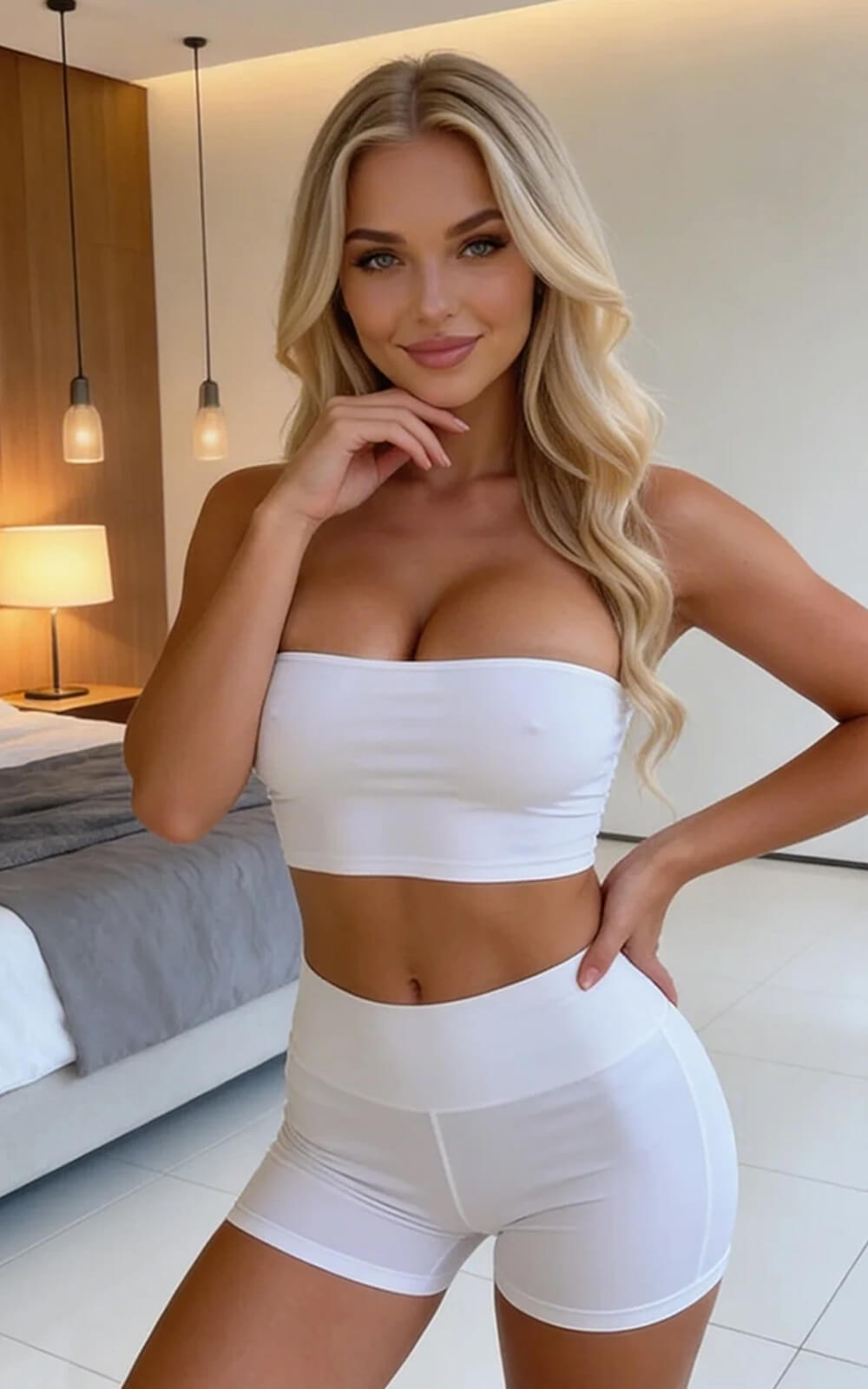
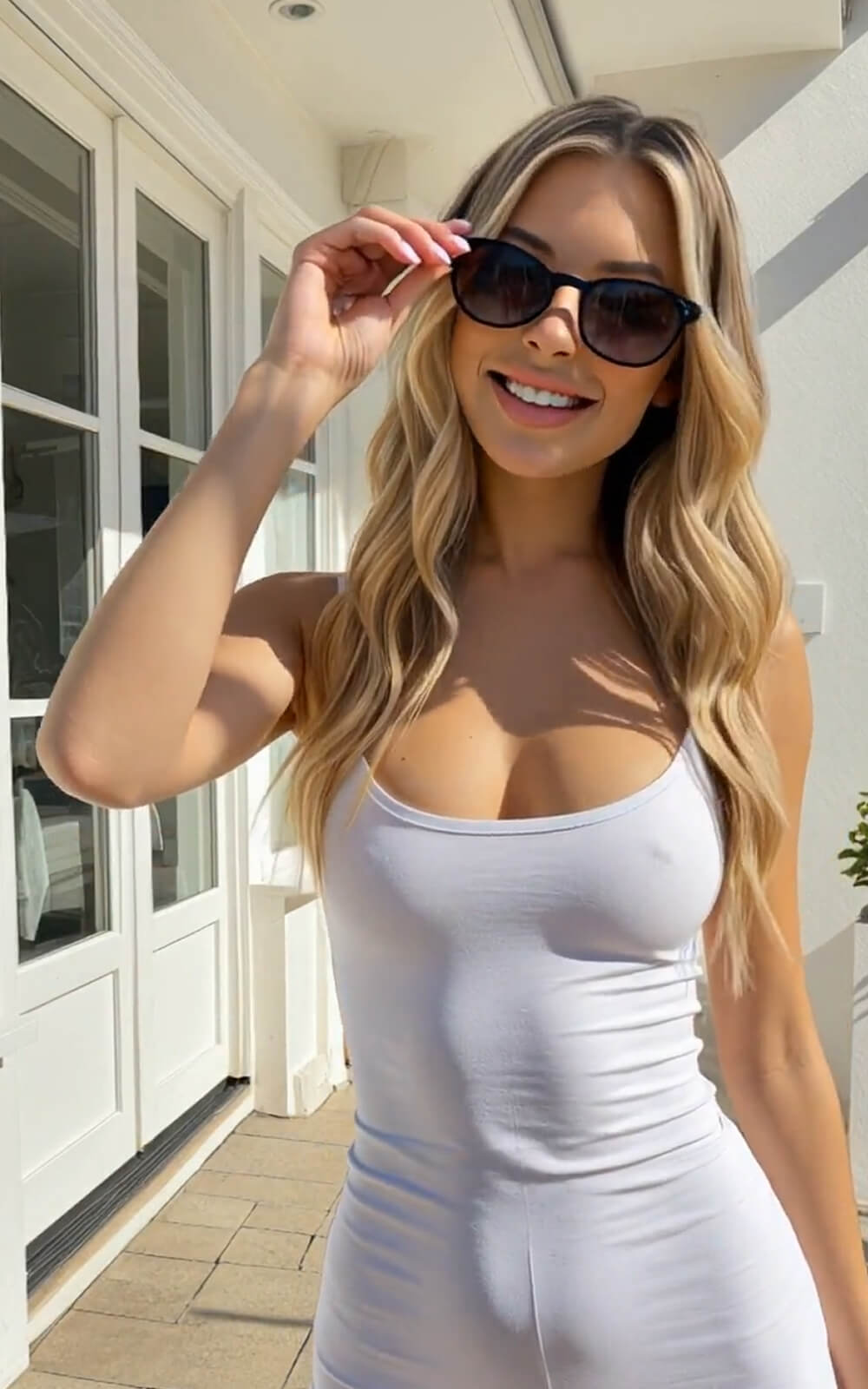
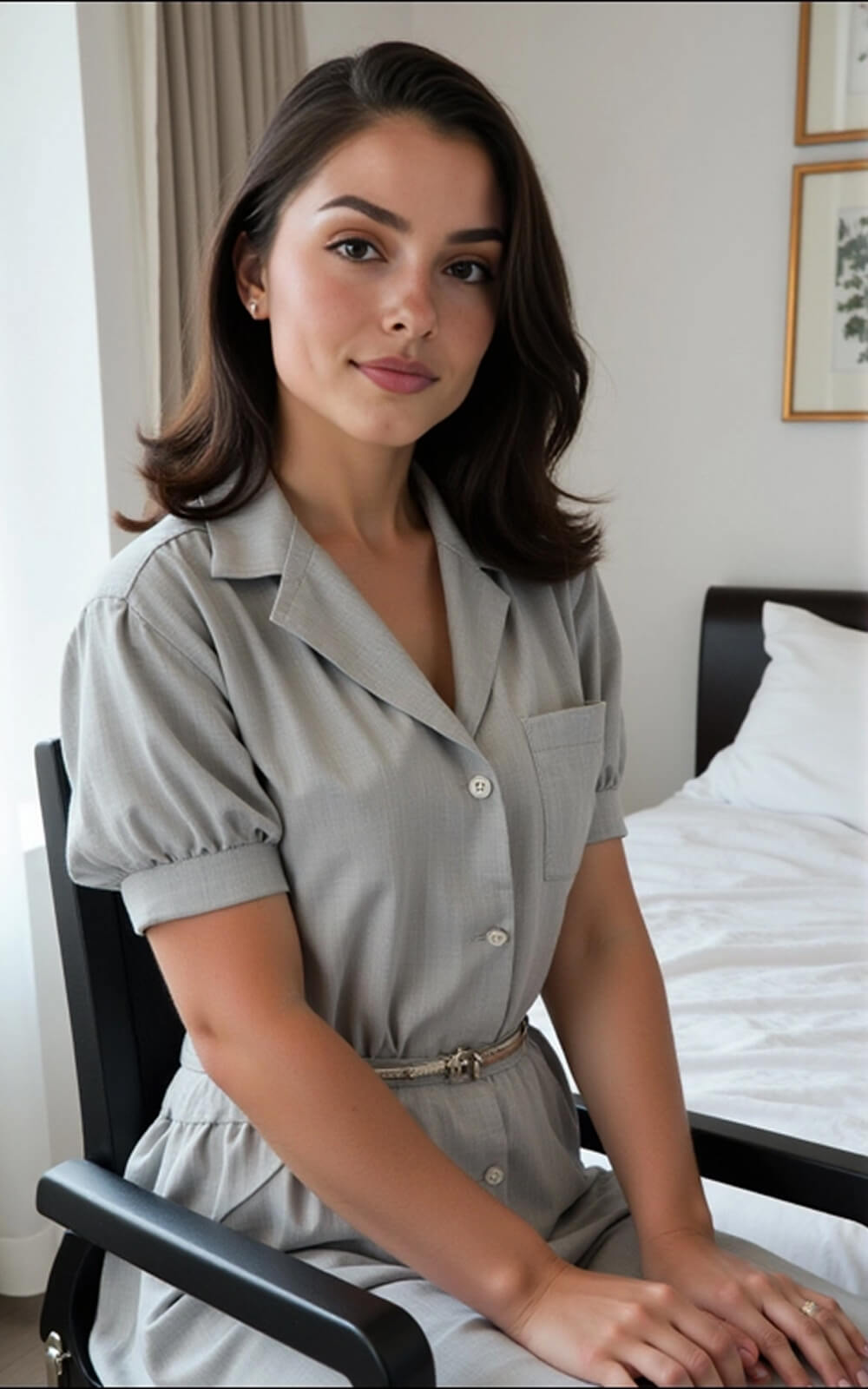
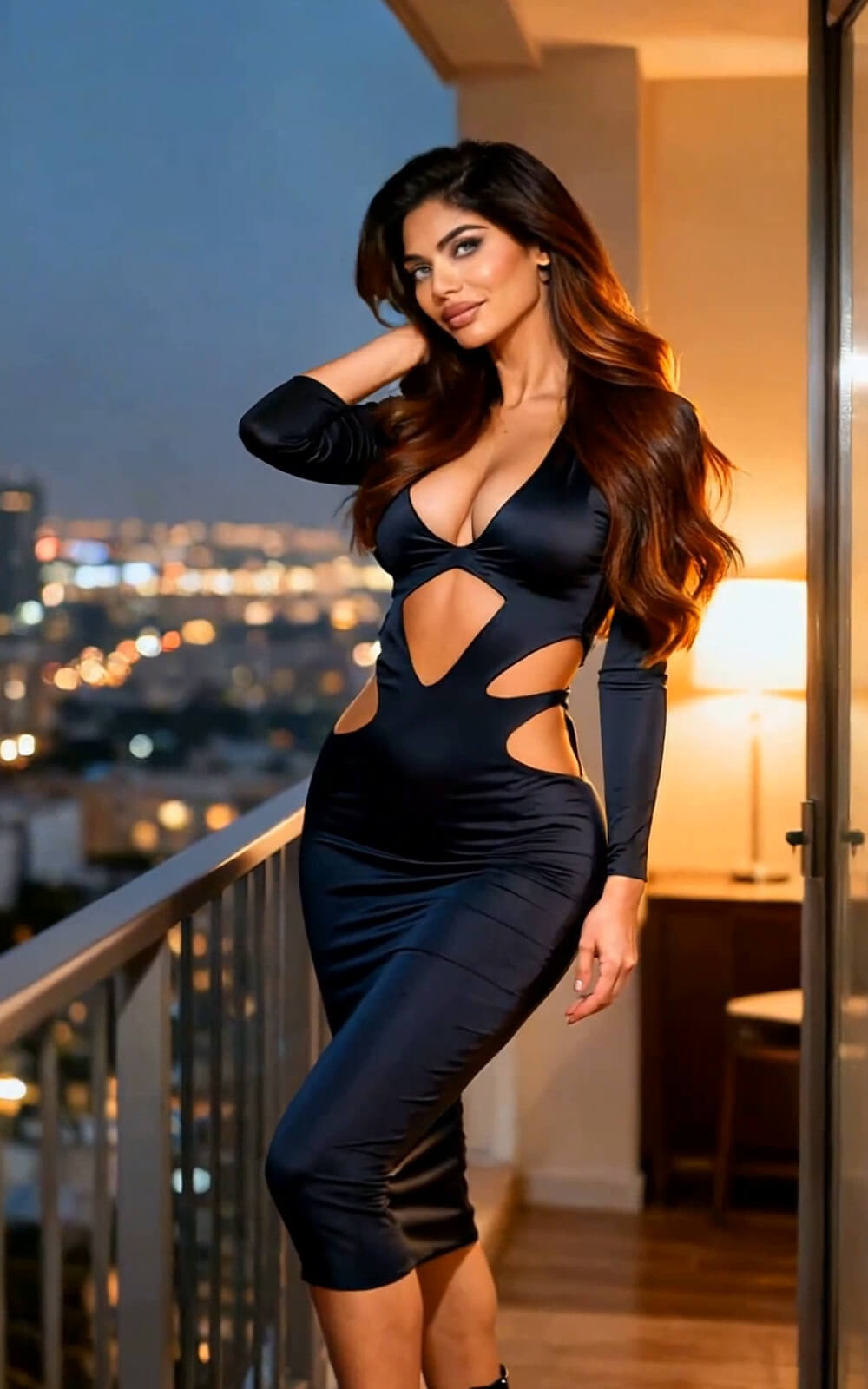
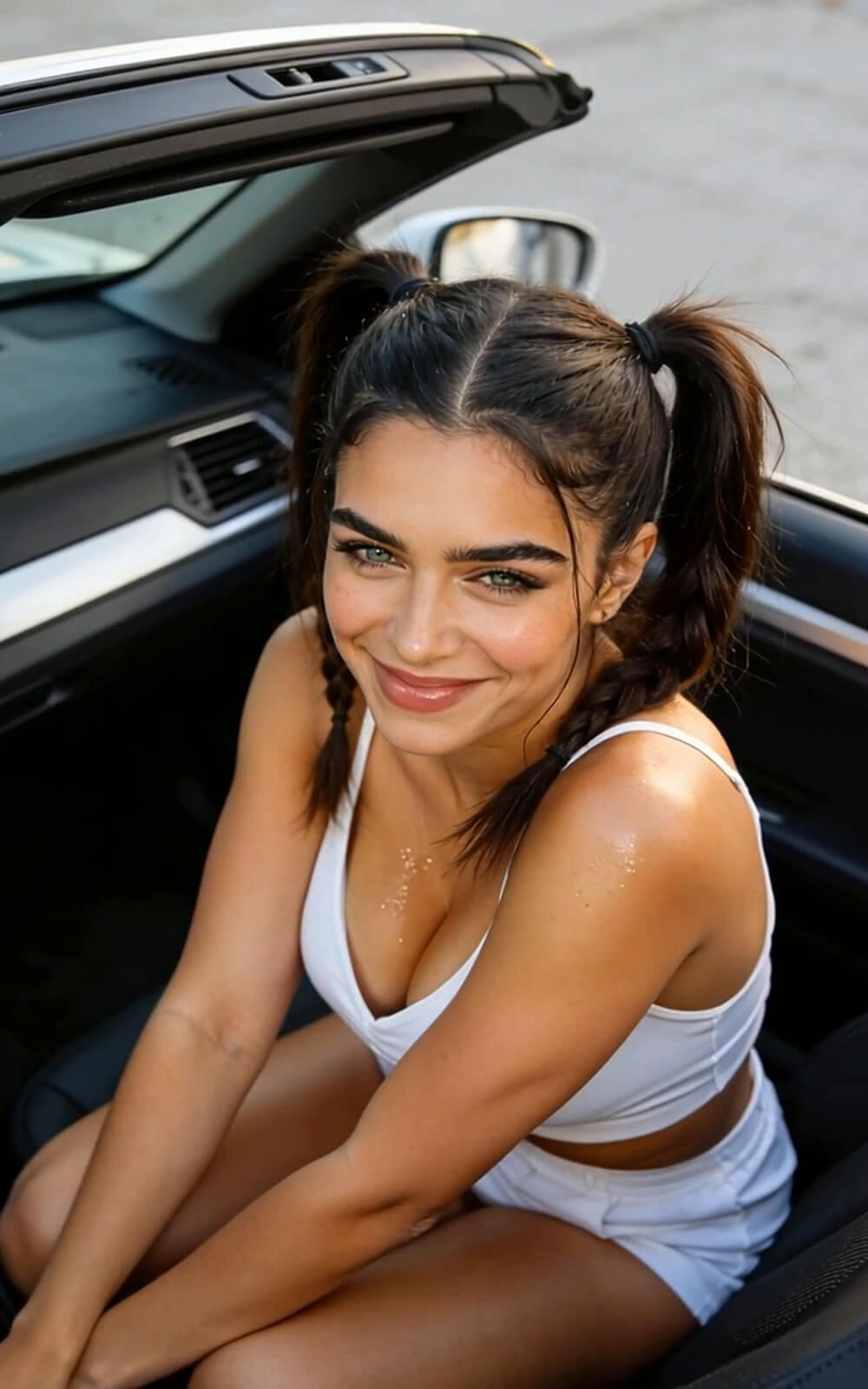
The digital art world is currently undergoing its most significant transformation since the invention of the pixel. At the center of this revolution are AI-generated female models—synthetic entities created through complex neural networks that are now indistinguishable from biological humans in static images. This isn’t just a technical curiosity; it is a fundamental shift in how we create, consume, and commercialize visual media. As we navigate this new frontier, we are seeing the lines between the “real” and the “rendered” vanish, giving way to a world where imagination is the only limit to visual representation.
Redefining Beauty and Realism in the Age of Generative AI
For decades, the concept of “beauty” in media was controlled by a handful of gatekeepers—agencies, photographers, and editors. Generative AI has democratized this process, but it has also complicated it. AI-generated models allow for a level of hyper-realism that was previously impossible without a massive budget and a team of CGI specialists. We are no longer looking at “filters”; we are looking at entirely new personas built from the ground up.
The definition of realism has shifted from “looking like a photo” to “behaving like a human.” Modern AI models capture the subtle imperfections that define humanity: the slight asymmetry of a face, the way light scatters through the upper layers of the skin (subsurface scattering), and the intricate textures of different fabric types. This allows creators to move beyond stereotypical perfection and explore a vast spectrum of diverse appearances, styles, and ethereal aesthetics that traditional photography simply cannot reach.
The Technological Breakthroughs Powering Hyper-Realistic Virtual Humans
The jump in quality we have seen in the last 24 months is largely due to the transition from Generative Adversarial Networks (GANs) to Latent Diffusion Models. While GANs were excellent at creating faces, Diffusion models—like those powering Midjourney and Stable Diffusion—understand the relationship between objects, lighting, and anatomy in a much deeper way.
Key technical components include:
- Checkpoints and LoRAs: These are specialized “mini-models” trained on specific aesthetics or individuals, allowing creators to maintain character consistency across different poses and environments.
- In-painting and Out-painting: This allows artists to modify specific parts of a model—such as changing an outfit or an expression—without altering the rest of the high-fidelity image.
- ControlNet: A revolutionary tool that gives artists “pose-to-image” control, ensuring that the AI-generated model adheres to a specific skeletal structure, eliminating the traditional struggle with distorted limbs or unnatural posture.
How AI Generated Female Models are Transforming Global Industries
The impact of synthetic models extends far beyond the realm of digital hobbyists. We are seeing a massive structural change in how global industries approach visual content creation, prioritizing speed, cost-efficiency, and total creative control.
Revolutionizing E-commerce and the Evolution of On-Demand Fashion Photography
In the traditional fashion world, a single product shoot can cost thousands of dollars, involving models, photographers, makeup artists, and studio rentals. AI-generated models are disrupting this entire pipeline. Brands can now generate high-quality lookbooks by simply “draping” digital clothing over AI models. This allows for on-demand diversity; a brand can show the same outfit on dozens of different AI models representing various ethnicities and body types instantly, providing a more inclusive and personalized shopping experience for the consumer.
The Rise of Virtual Influencers and the New Social Media Economy
We have entered the era of the “Virtual Influencer.” Characters like Aitana Lopez or Lil Miquela earn thousands of dollars per post, despite being entirely digital. These AI-generated female models offer brands something a human cannot: 24/7 availability, zero risk of public scandals, and a perfectly curated aesthetic that never ages. This new social media economy is built on narrative-driven content where the “model” is also a character with a personality, a backstory, and an engaged fan base.
Enhancing Creative Workflows for Concept Artists and Game Designers
In the gaming and film industries, character design is often the most time-consuming phase of production. AI models serve as the ultimate “mood board.” Concept artists can now iterate through hundreds of character variations in minutes. This doesn’t replace the artist; rather, it provides a high-fidelity foundation that the artist can then refine, sculpt, and animate. It bridges the gap between a vague idea and a tangible visual asset.
The Ethical Landscape: Addressing Diversity, Consent, and the Uncanny Valley
With great power comes significant responsibility, and the rise of AI models is not without its controversies. One of the primary concerns is the Uncanny Valley—that psychological space where a digital creation looks almost human, but just “off” enough to cause revulsion. As AI overcomes this, the ethical questions become more pressing.
- Data Bias: If the training data for these models is skewed toward certain beauty standards, the AI will continue to replicate those biases, potentially erasing diverse representations.
- Consent and Deepfakes: The technology used to create fictional models can also be used to replicate real people without their permission. Navigating the legalities of “digital likeness” is one of the most important challenges for the current decade.
- The Displacement of Human Talent: As virtual models become cheaper and more efficient, the demand for entry-level human models and photographers is shifting, necessitating a conversation about how the industry can pivot to a hybrid model.
Top Tools and Platforms for Creating High-Fidelity AI Character Art
For those looking to explore this space, several platforms have emerged as leaders in generating high-resolution, aesthetically sophisticated AI female models. Each caters to a different level of technical expertise and creative intent.
- DreamGF: A premier platform for those focusing on character consistency and photographic realism. It is designed for users who want to build a persistent digital persona with specific traits.
- Midjourney: Known for its incredible artistic “soul,” this tool is the gold standard for high-concept art and editorial-style photography.
- Stable Diffusion (Automatic1111/ComfyUI): The choice for power users. It offers open-source flexibility, allowing for the use of custom-trained LoRAs and precise control over every pixel.
- SoulGen: An excellent tool for those who want a blend of anime aesthetics and realistic renders, providing a fast and intuitive interface for character generation.
Navigating the Shift Toward a Hybrid Future of Human and Synthetic Creativity
The future of digital art is not a battle between humans and machines; it is a synthesis of the two. We are moving toward a hybrid creative economy where the AI handles the heavy lifting of rendering and texture, while the human provides the “why”—the emotional resonance, the storytelling, and the creative direction.
AI-generated female models are the vanguard of this movement. They are teaching us that “real” is a flexible term in the digital age. As we refine these tools, the focus will shift away from the novelty of “AI-generated” toward the quality of the art itself. In this future, the artist’s value is no longer measured by their ability to draw a perfect line, but by their ability to dream up characters and worlds that have never existed before, bringing them to life with the click of a button.