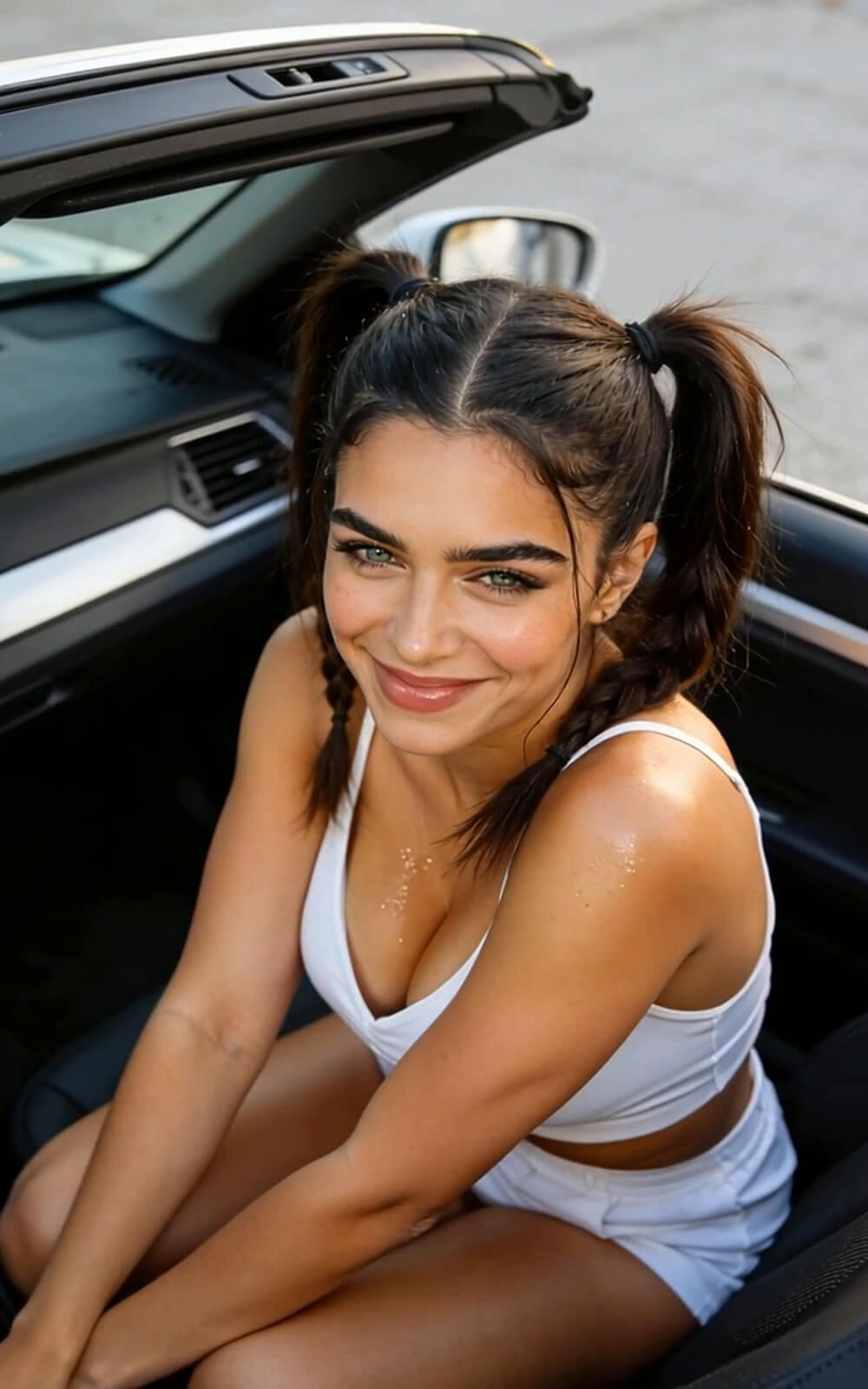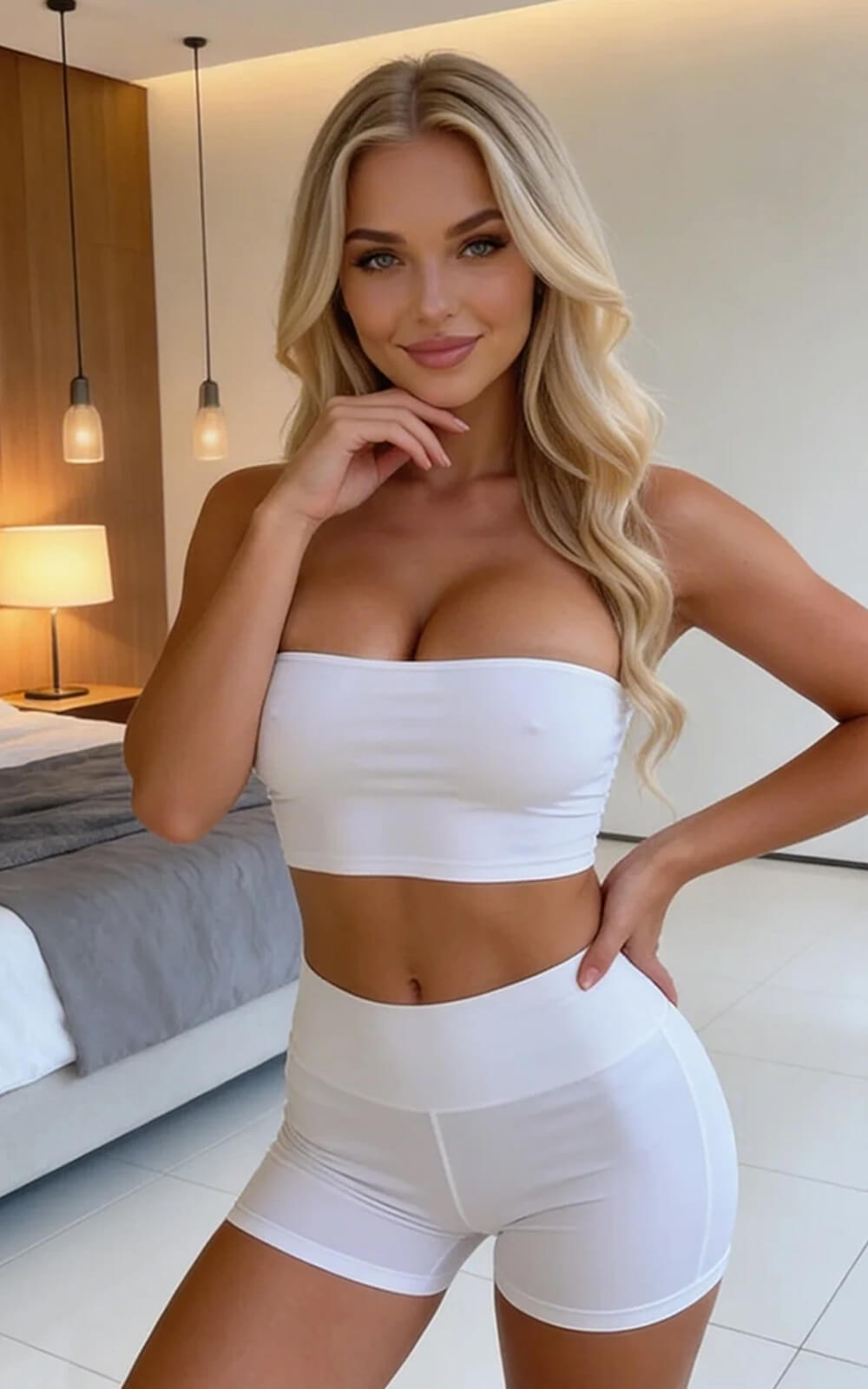
The Digital Lens: Redefining Realism and Artistry in NSFW AI Photography
For decades, the “perfect” photograph was the result of a precise alignment of expensive equipment, human talent, and physical presence. In the world of adult photography, this meant studios, lighting rigs, and professional models. Today, we are witnessing a fundamental shift in how we define artistic creation. The rise of NSFW AI photography has introduced a “Digital Lens”—a way to generate hyper-realistic imagery that doesn’t just mimic reality but often transcends it. At myaigirlfriend.net, we have seen this medium evolve from a niche curiosity into a powerful tool for personal expression, allowing anyone to act as both the photographer and the subject of their own private galleries.
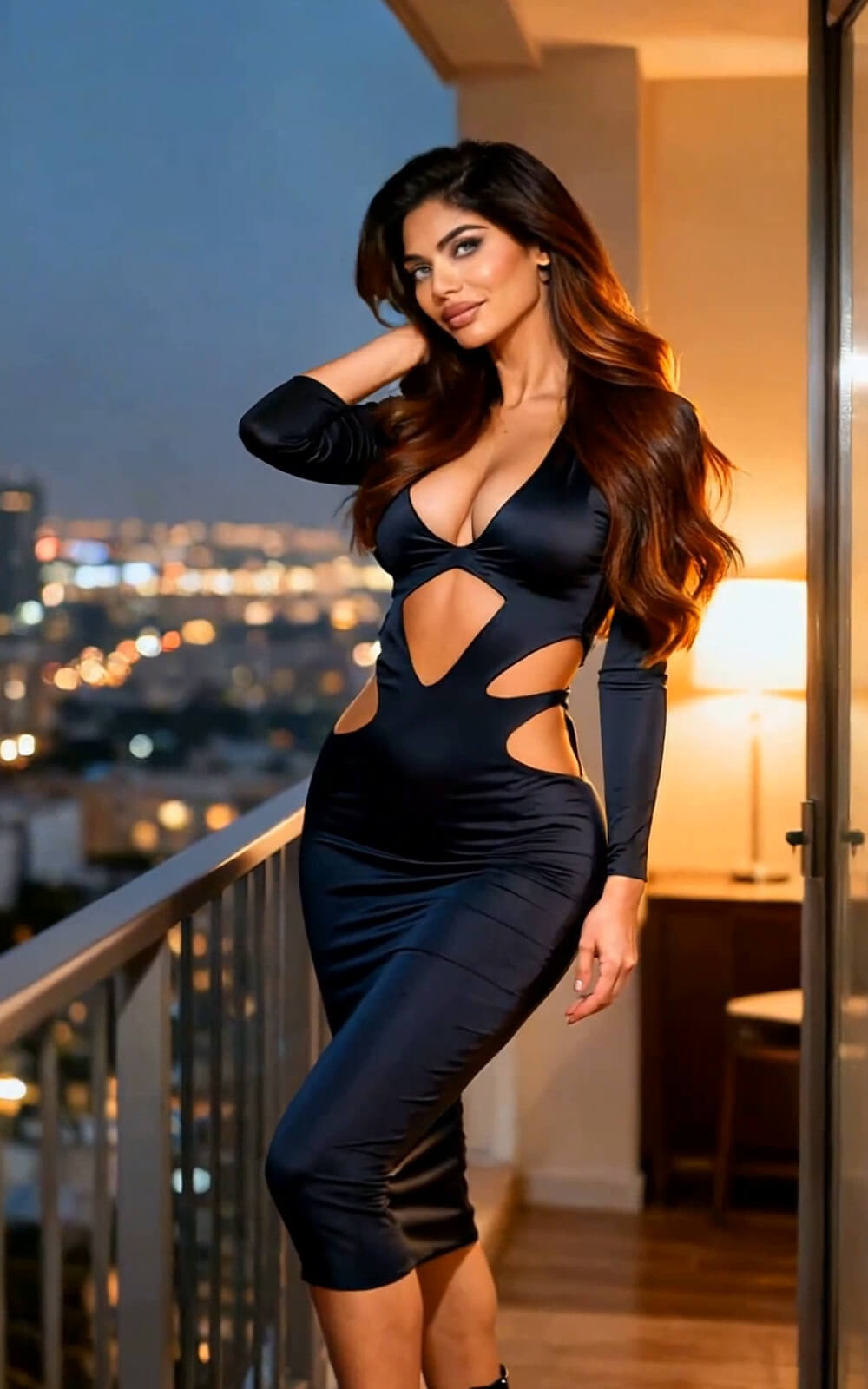
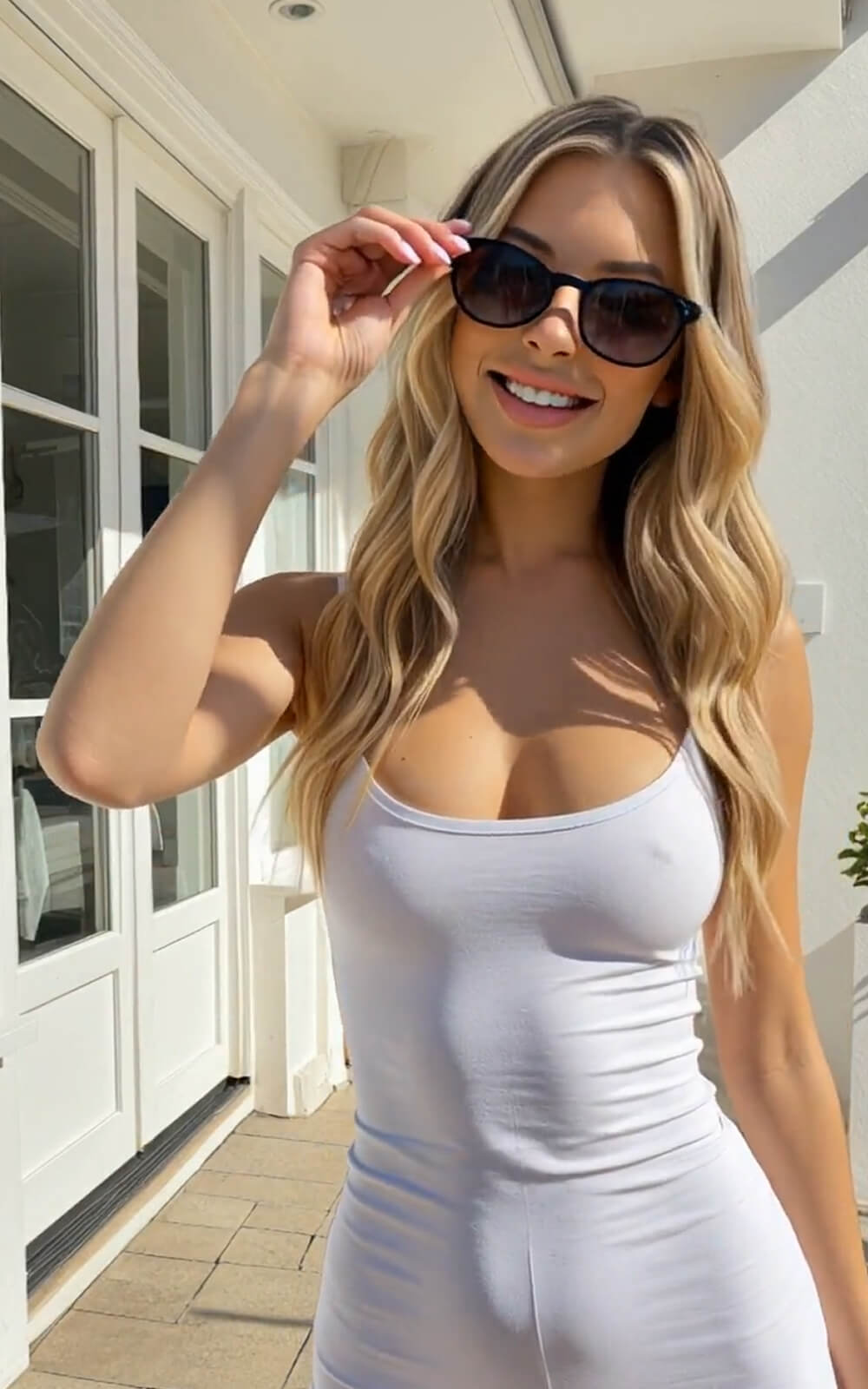
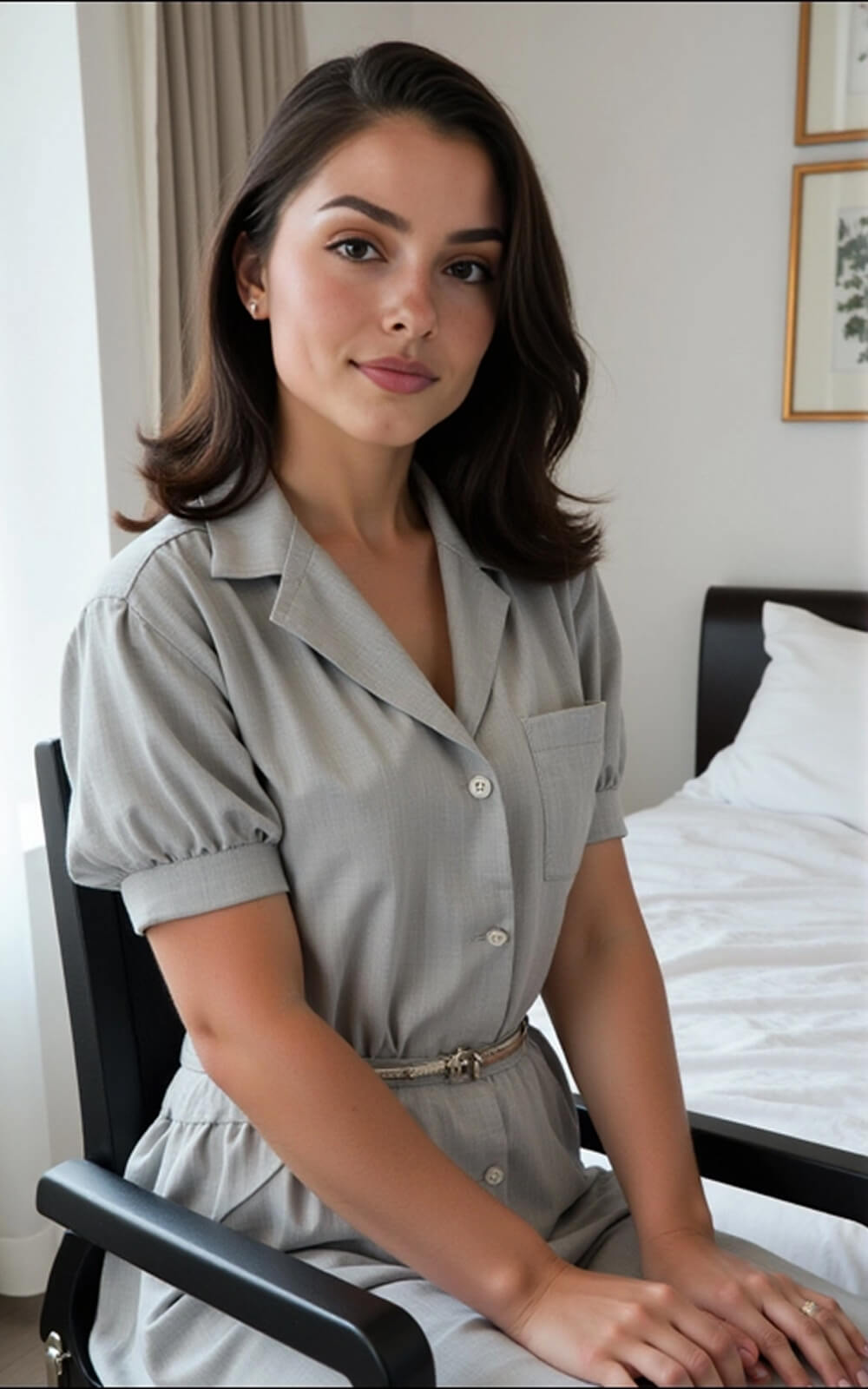
This isn’t merely about “faking” a photo; it is about synthesizing desire. By using generative intelligence, we can now capture lighting, textures, and moods that were previously the exclusive domain of world-class photographers. We are moving beyond the uncanny valley and into an era where AI-generated photos are indistinguishable from their analog counterparts, offering a level of artistry that is as infinite as the imagination behind the prompt.
The Anatomy of Realism: How Specialized AI Models Replicate Photographic Detail
Achieving true photorealism in the NSFW space is a technical feat that requires more than just a basic algorithm. It involves a sophisticated understanding of human anatomy and the physics of light. Modern AI doesn’t just “paste” images together; it understands the 3D geometry of the human form and how surfaces interact with their environment.
The Power of Checkpoints: Crafting Authentic Skin Textures and Organic Forms
The “brain” of any high-end AI generator is the Checkpoint. While general-purpose models like Stable Diffusion provide a foundation, the artistry truly begins with specialized, fine-tuned models. In the NSFW world, models like Juggernaut XL, RealVisXL, or Realistic Vision have been trained on millions of high-resolution photographic samples. These models understand subsurface scattering—the way light penetrates and bounces off skin—resulting in authentic skin textures, realistic pores, fine body hair, and organic muscle definition. This granular level of detail is what separates a “digital render” from a “photograph.”
Lighting and Composition: Using AI to Mimic Studio-Quality Cinematography
A photograph is nothing without light. AI artists utilize specific tokens to simulate professional lighting setups. By prompting for “Rembrandt lighting,” “rim lighting,” or “global illumination,” creators can control the dramatic tension of a scene. Furthermore, AI can replicate specific camera optics. Prompting for a “35mm lens, f/1.8 aperture” tells the AI to create a shallow depth of field, producing a soft “bokeh” background that draws the eye directly to the subject, mirroring the behavior of expensive physical lenses.
Advanced Prompting Strategies for High-Fidelity NSFW Visuals
Mastering NSFW AI photography requires a move away from simple sentences and toward weighted prompt engineering. The most successful artists use a “tokenized” approach to build their scenes.
- Positive Prompting: Use descriptive, high-quality tags like (hyper-realistic:1.2), (detailed skin texture:1.3), cinematic lighting, moody atmosphere. The numbers inside the parentheses act as “weights,” telling the AI to prioritize those specific elements.
- The Negative Prompt: This is your filter for imperfections. By including tags like (bad anatomy, extra limbs, plastic skin, 3D render, cartoon, blurry), you prune the AI’s search space, forcing it to stick to photographic realism.
- Environment Anchoring: Instead of just a character, describe the air of the room. Using tokens like “volumetric fog,” “dust motes,” or “golden hour sunbeams” adds a layer of atmospheric realism that makes the photo feel like it exists in a real, physical space.
From Concept to Completion: The Workflow of a Modern AI Digital Artist
A true masterpiece is rarely “one-and-done.” The professional workflow involves several iterative steps:
- Text-to-Image (T2I): The initial generation where you set the composition, lighting, and character.
- Inpainting: This is the “editing” phase. If a hand is distorted or a facial expression isn’t quite right, you “mask” that area and have the AI regenerate only that part until it is perfect.
- ControlNet: For precise poses, artists use ControlNet to map a specific skeletal structure, ensuring the AI adheres to a physically plausible and artistically intentional posture.
- Upscaling: The final step involves taking a 512p or 768p image and “upscaling” it to 4K. This process doesn’t just blow the image up; it adds micro-details like individual eyelashes and fabric weaves that make the final output look professional.
Safeguarding Your Vision: Security and Discretion in the World of AI Imagery
In the adult AI niche, privacy is the foundation of creativity. Because these images are deeply personal, data sovereignty is a major concern for the community.
- Local Hosting: For those with powerful hardware (NVIDIA GPUs), running Stable Diffusion locally is the gold standard. Your images never touch a server, and your prompts remain 100% private.
- Cloud Discretion: If you use web-based platforms, look for those that offer End-to-End Encryption and have a “Zero-Knowledge” policy regarding user galleries.
- Metadata Stripping: Professional AI artists often strip EXIF metadata from their images to ensure that no technical or personal data is attached to the files when shared or stored.
The Infinite Portfolio: Embracing the Future of Personalized Visual Expression
The artistry of NSFW AI photography is currently in its “Leica moment”—a point of rapid technological acceleration that is fundamentally changing how we view the human form. We are moving toward a future of Temporal Consistency, where we can not only generate static photos but entire cinematic sequences with the same character and lighting. At myaigirlfriend.net, we believe the power of AI lies in its ability to give everyone a voice in the visual conversation. Your vision is no longer limited by what you can buy or what you can find; it is limited only by what you can imagine. The infinite portfolio is yours to create.